

Thursday, September 12, 2024
Sports-related concussions are a growing concern, particularly in high-impact disciplines such as rugby. The risks of long-term cognitive impairment, dementia and neurodegenerative disease have been discussed in Europe for over fifteen years. However, detecting, assessing and rehabilitating the acute effects of these traumas remains a major challenge.
The research project led by Jan Patrick Stellmann, teacher-researcher at the Centre de Résonance Magnétique Biologique et Médicale (CRMBM), and the Brain Injuries Group Study created by Pr Henry Dufour, Head of the Neurosurgery Department, and Alizée Pann, Neuropsychologist, at the heart of the Hôpital La Timone (AP-HM), aims to fill this gap by developing advanced techniques to better understand and diagnose concussions as soon as they occur.
Towards improved care for athletes
The main aim of this project is to study the structural and functional alterations and reorganization of the brain following mild traumatic brain injury. By combining advanced imaging techniques and neuropsychological tests, the experts are seeking to identify predictive markers that could improve the care of athletes and ensure their safe return to competition.
A multimodal approach to assess the impact on brain health in the acute phase
For the past three years, researchers have been working closely with Pro D2 club Provence Rugby, and more recently with OM and women's handball club HBPC. To date, these collaborations have enabled tests to be carried out on 33 subjects, accumulating over 40 concussions.
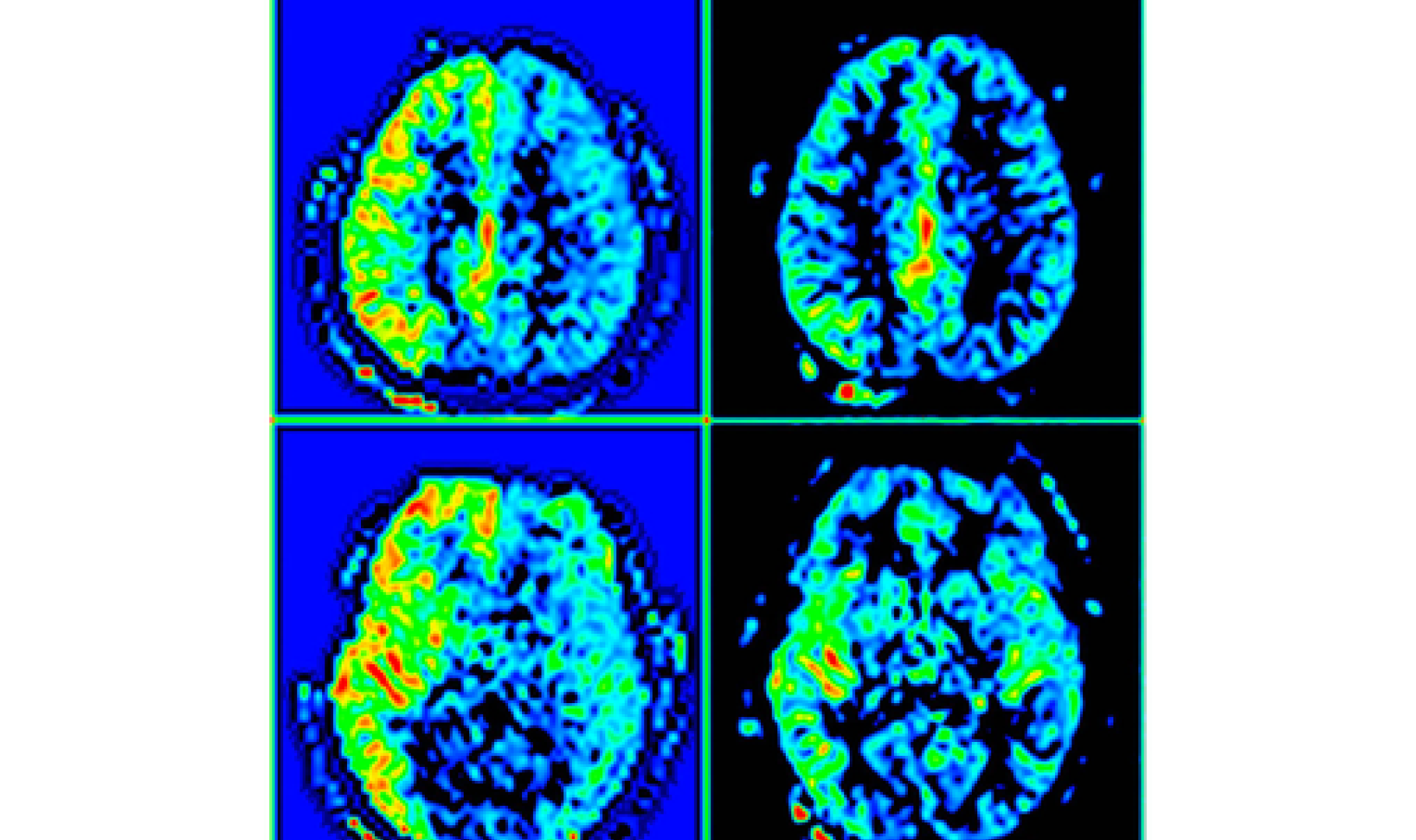
Thanks to an optimized clinical examination protocol, the experts use advanced brain MRI techniques such as ASL (Arterial Spin Labeling) perfusion, which measures cerebral blood flow using a radiofrequency pulse, a non-invasive method for detecting asymmetries in cerebral perfusion. The researchers also use standard MRI techniques to detect small lesions, microbleeds and diffusion anomalies.
This approach makes it possible to quantify cerebral perfusion asymmetries and study their correlation with objective and subjective clinical symptoms, with the aim of establishing long-term predictive markers.
In this way, the experts are seeking to determine the optimum time to resume activity, while minimizing the risk of recurrence. Indeed, if an athlete has not fully recovered, he or she is likely to suffer another concussion, which carries a much higher risk of sequelae than the first.
A wider scope: for amateur athletes and other disciplines
One of the major ambitions of this project is to extend the research to amateur athletes of all levels, as the problem of concussion is a wider public health issue. By improving our understanding of concussion and developing reliable predictive markers, this project could not only contribute to the safety and performance of elite athletes at major competitions such as the Olympic Games, but also inspire prevention and treatment protocols applicable to all levels of sporting competition and to the general population suffering concussion.