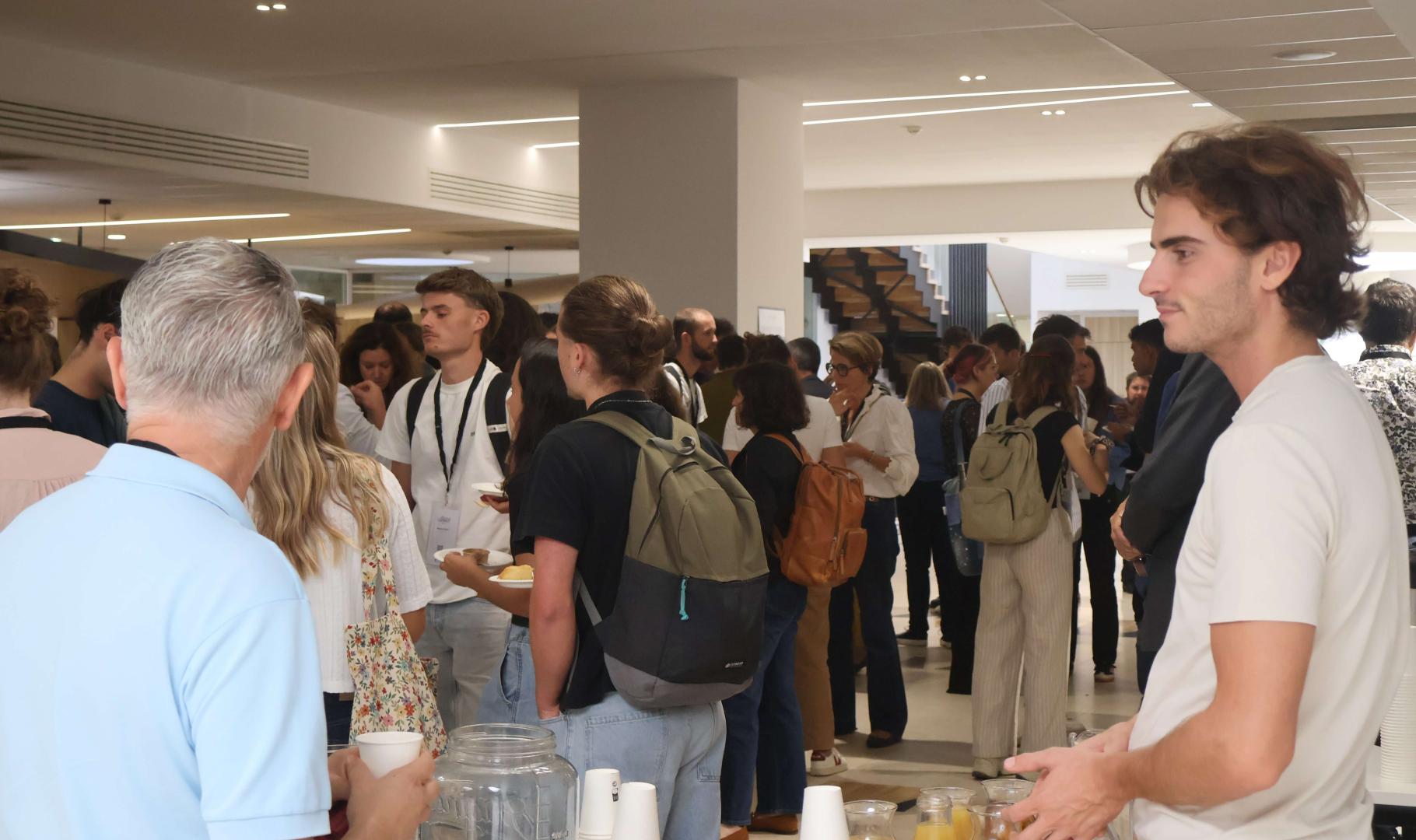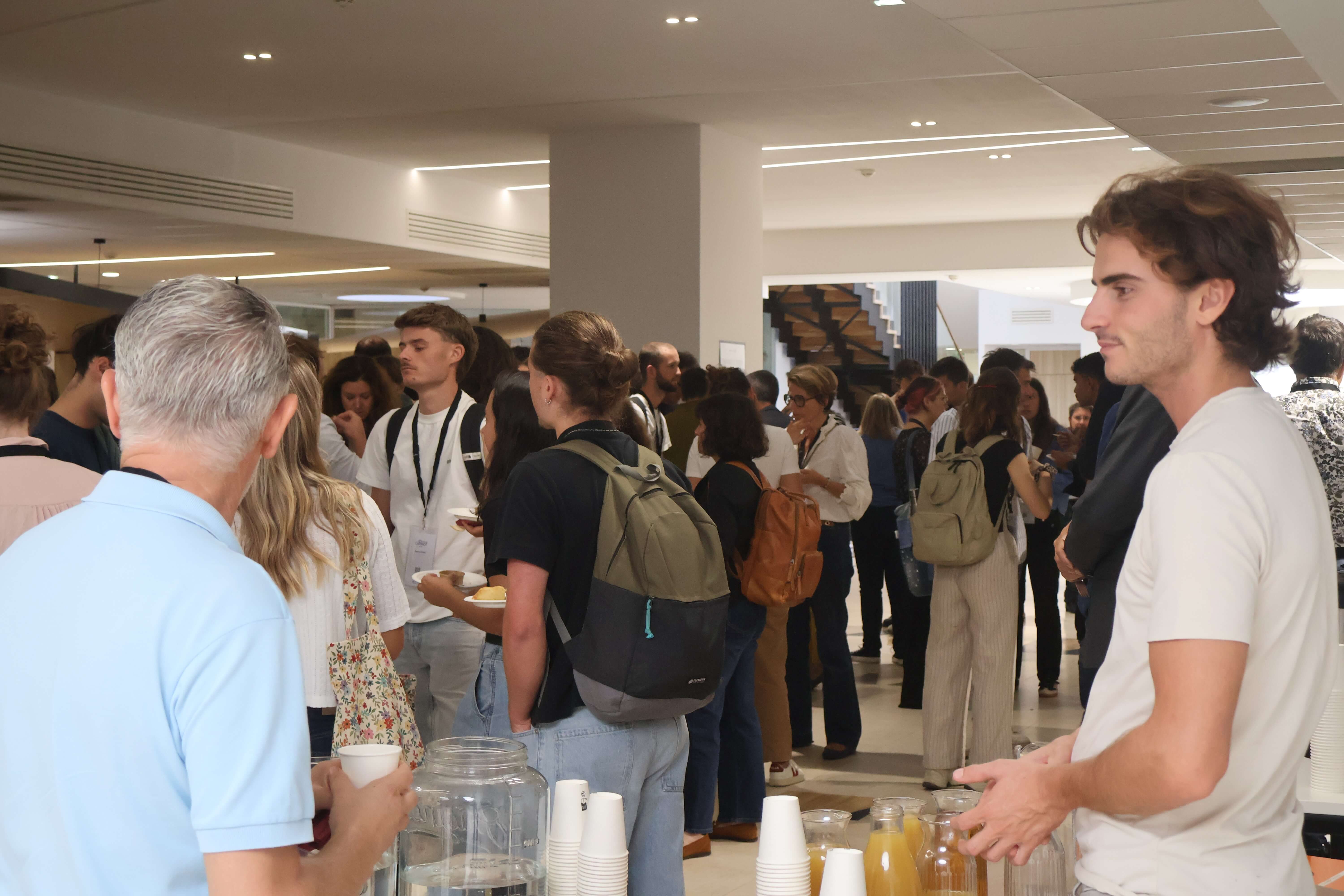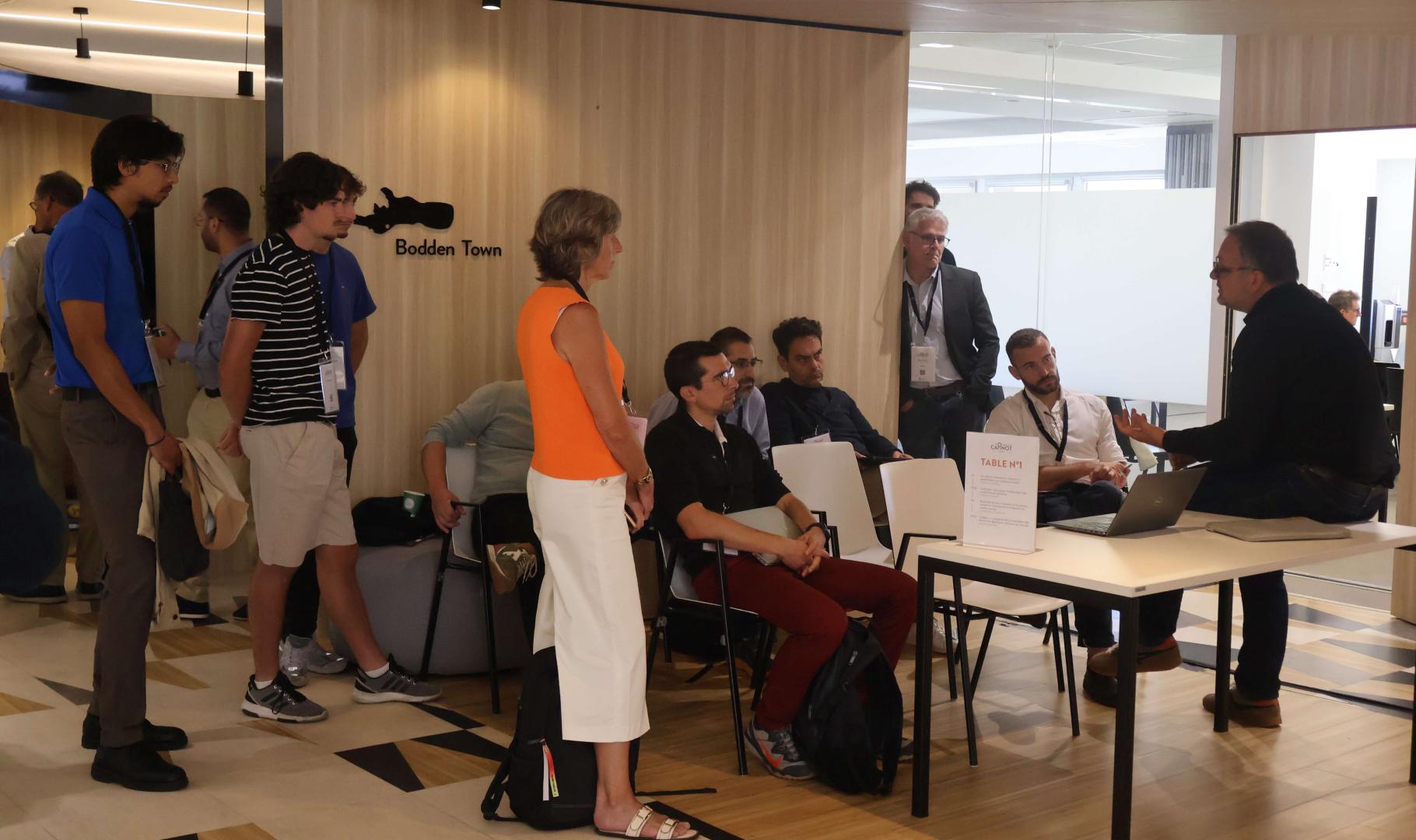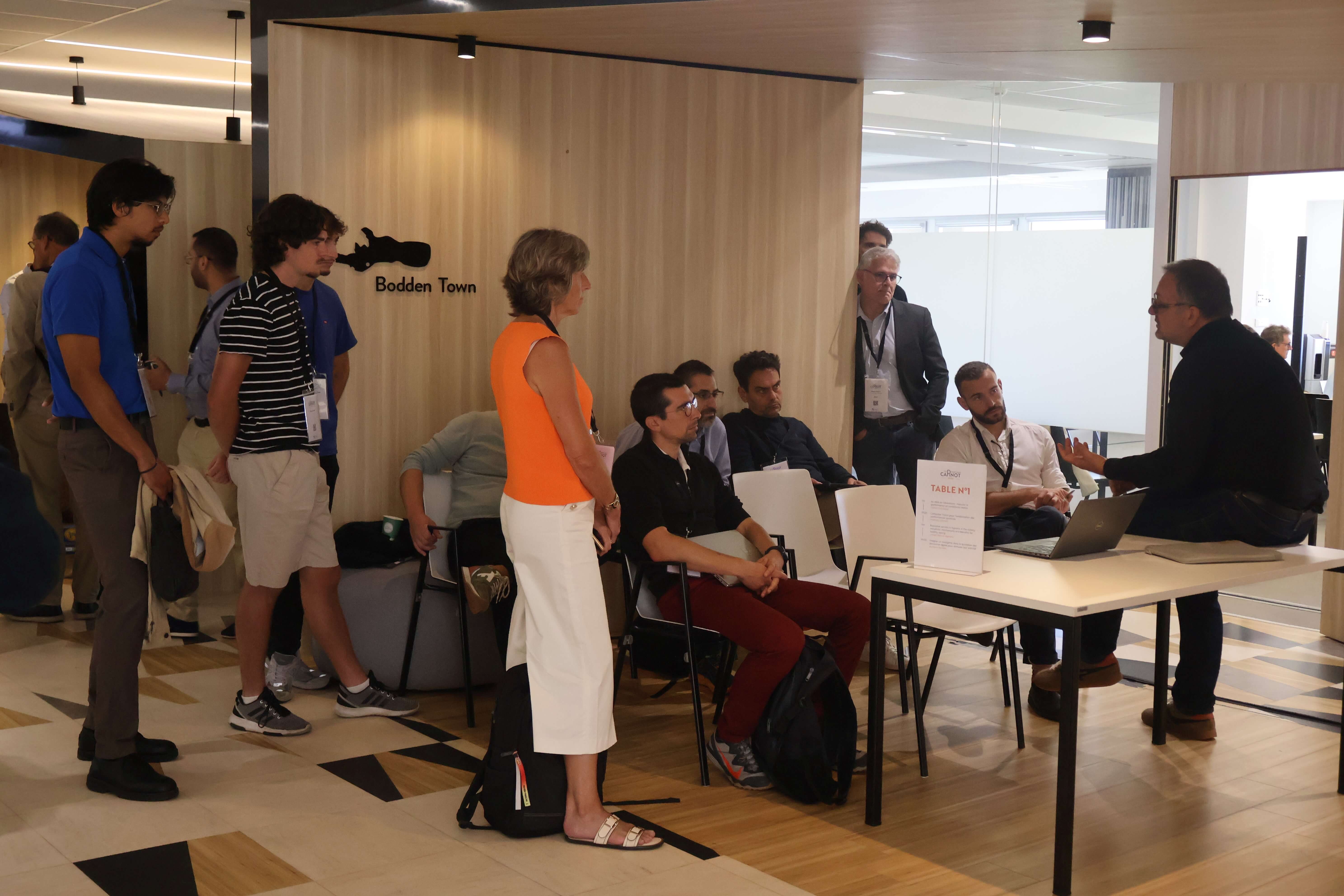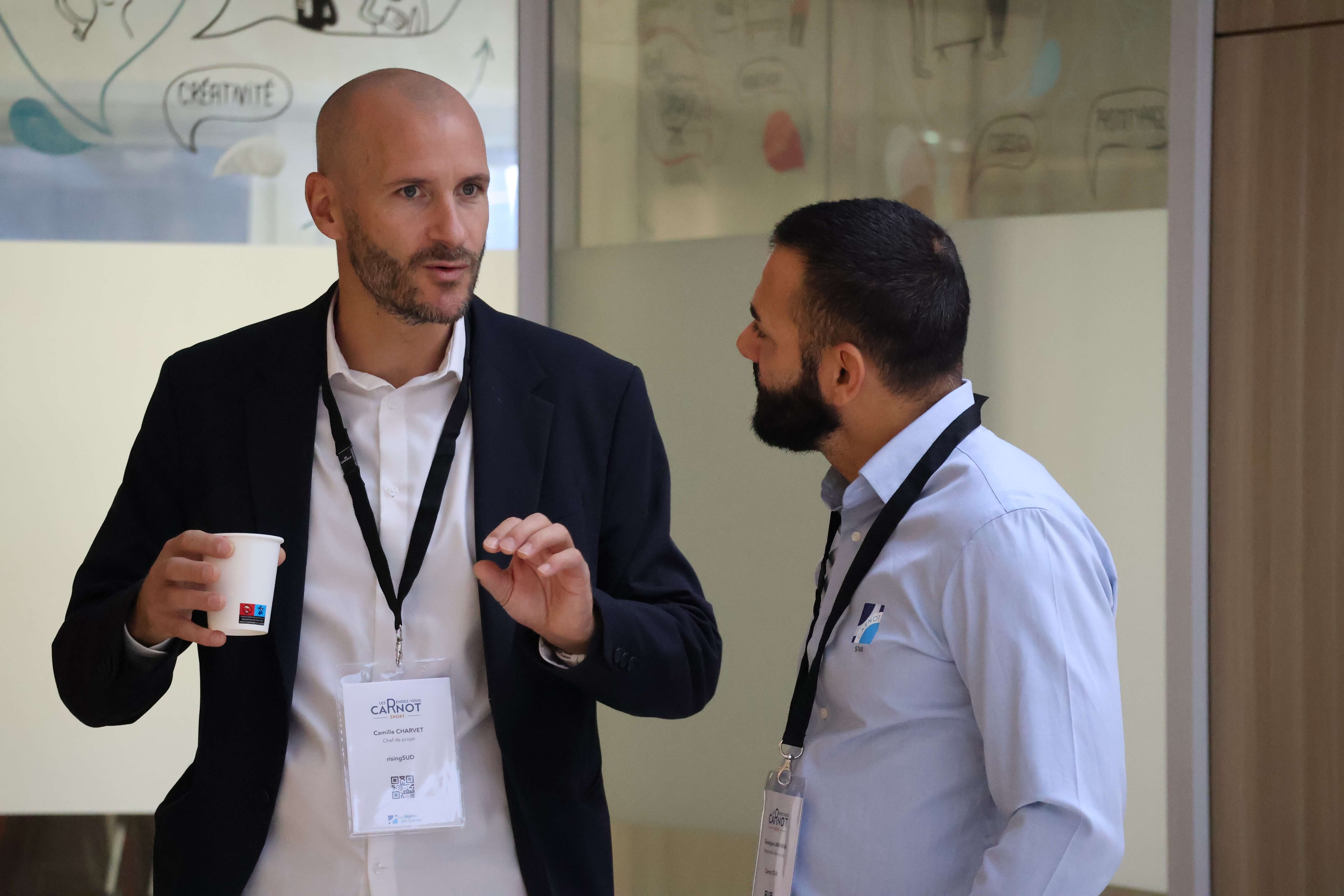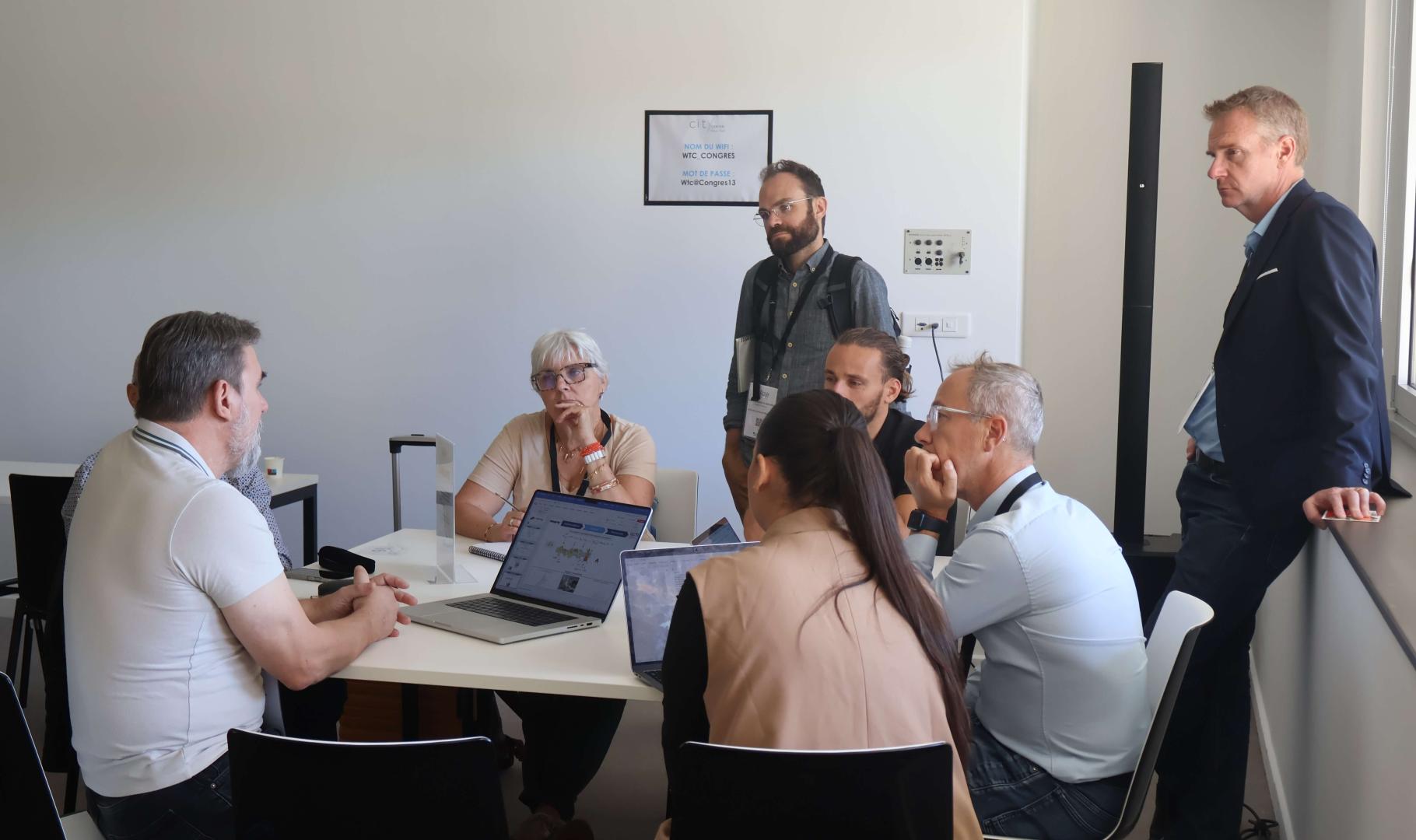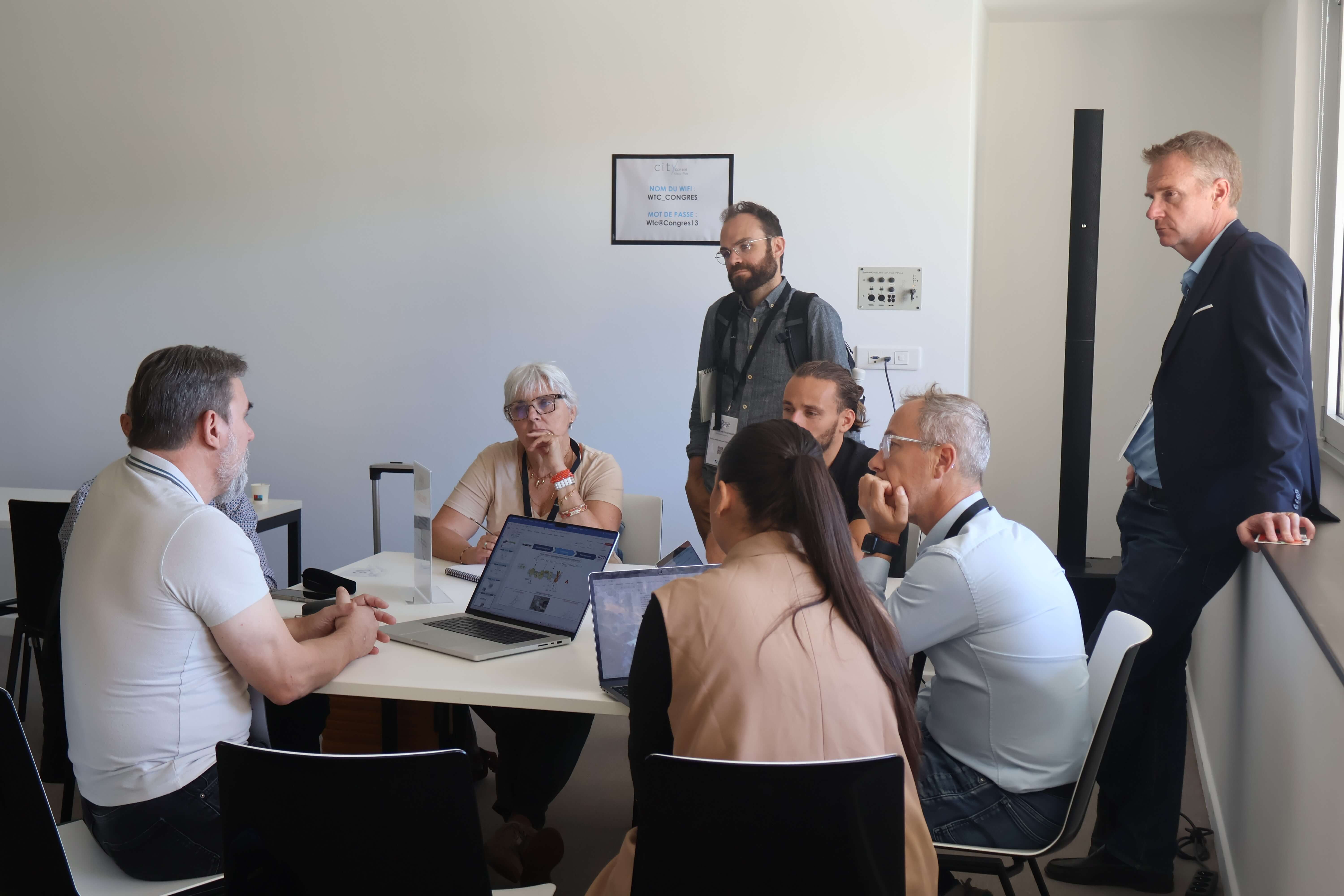

A focused day, rich in content
The initial aim was clear: to bring together a large number of scientific experts, R&D companies and other organizations, around specific themes in the fields of Sport, Sport/Health and Sport/Wellness.
The objective? To showcase innovations from our Carnot-accredited laboratories, encourage exchanges and pave the way for future collaborations. A day in which all the topics covered can be of interest to everyone present.
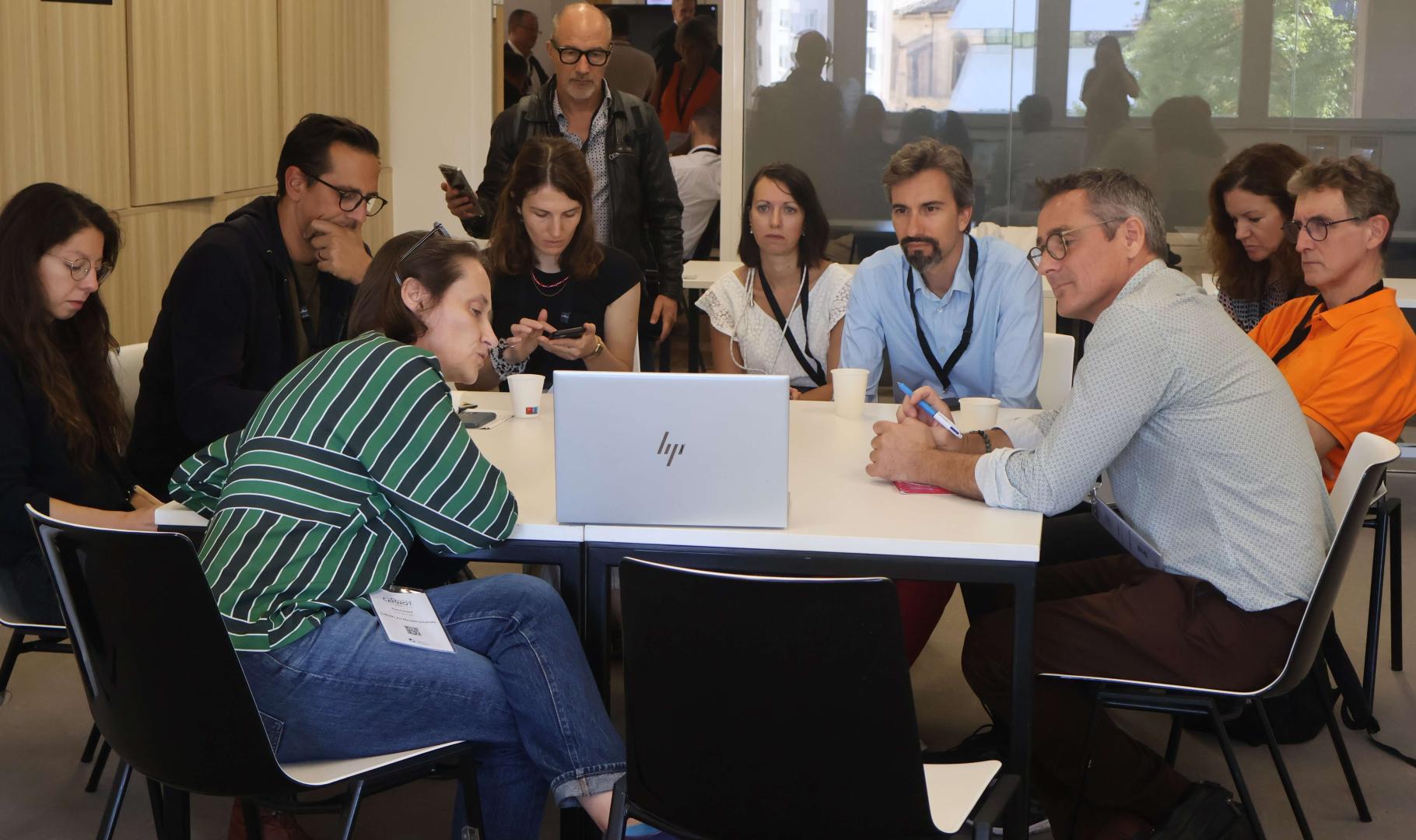
Scientific presentations
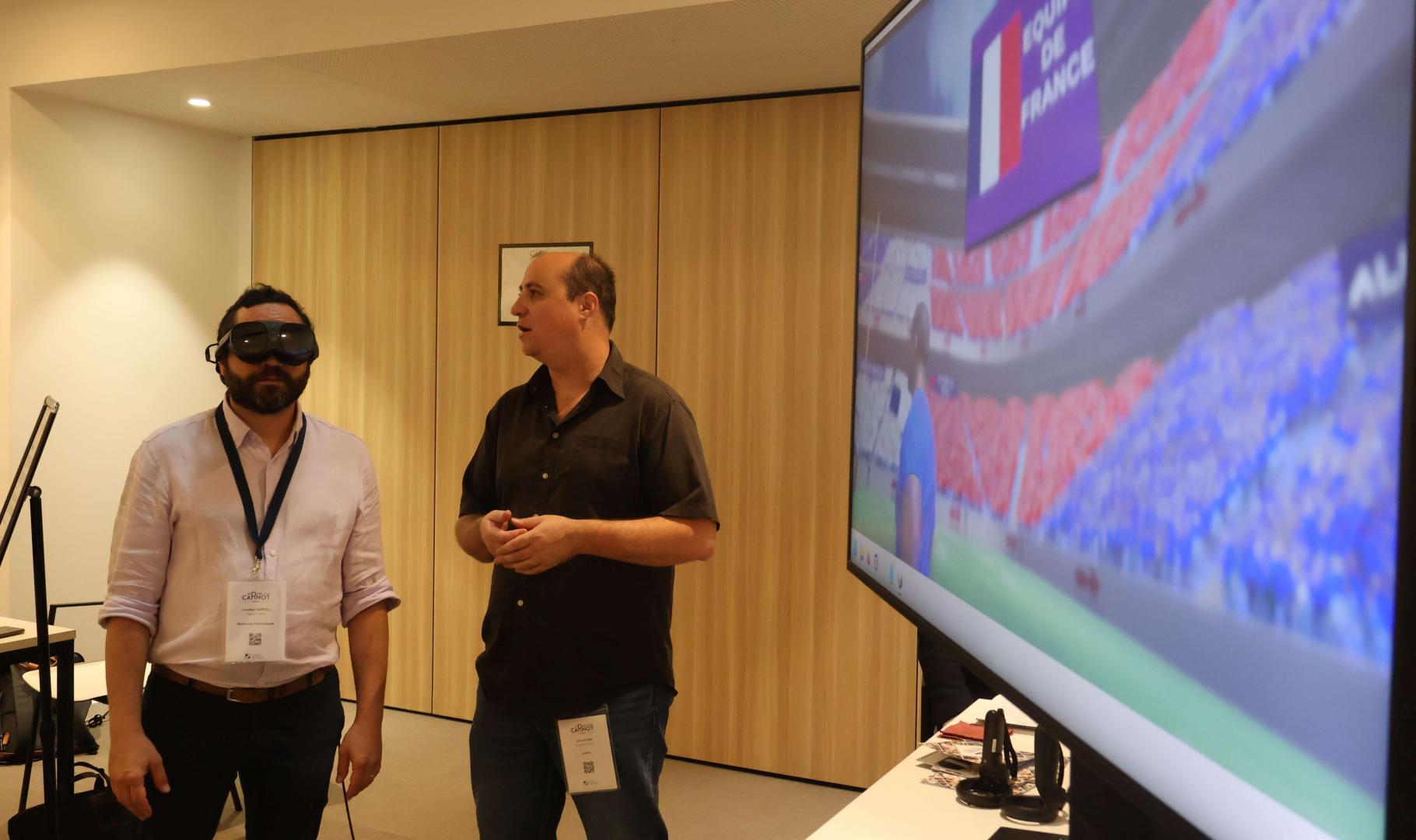
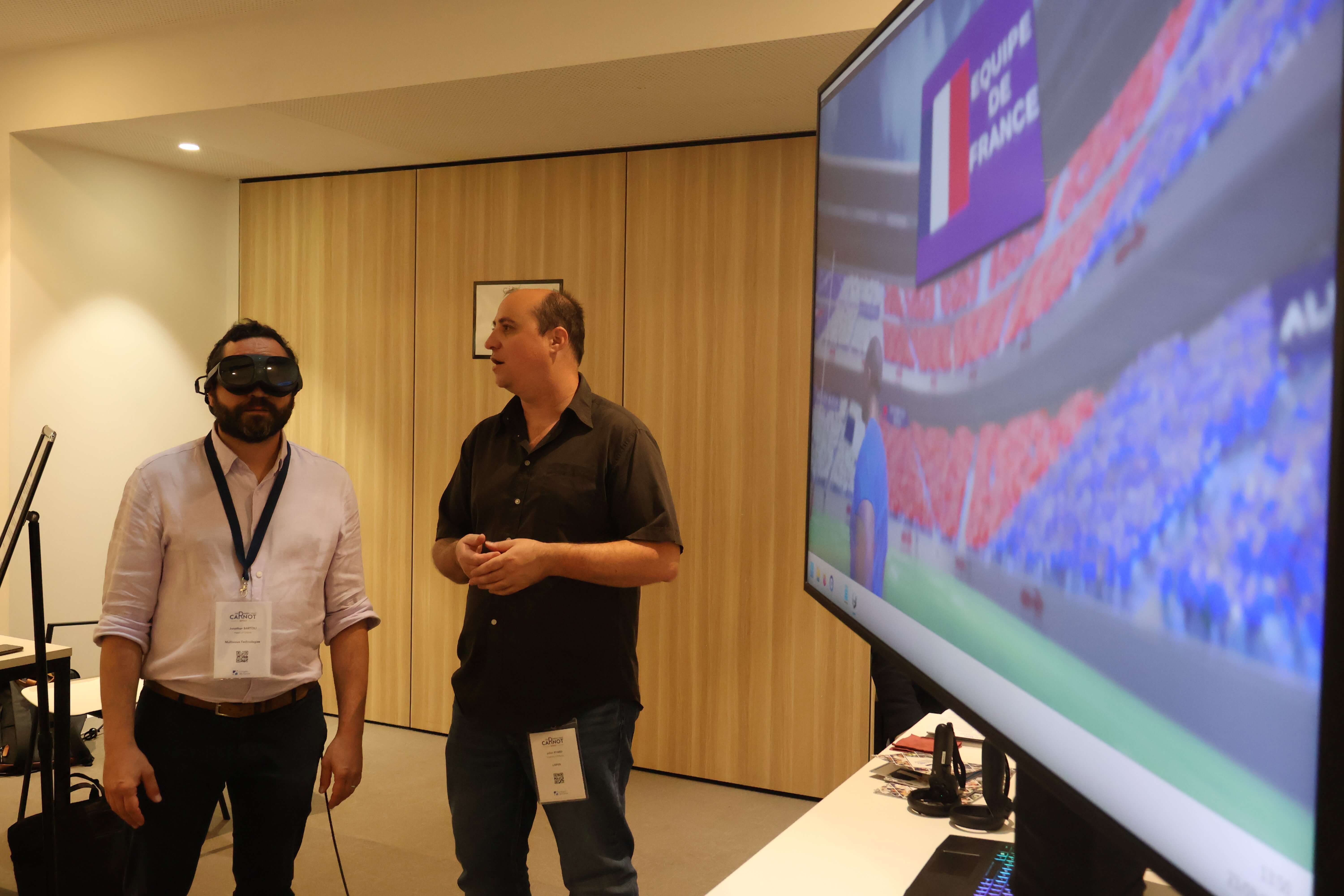
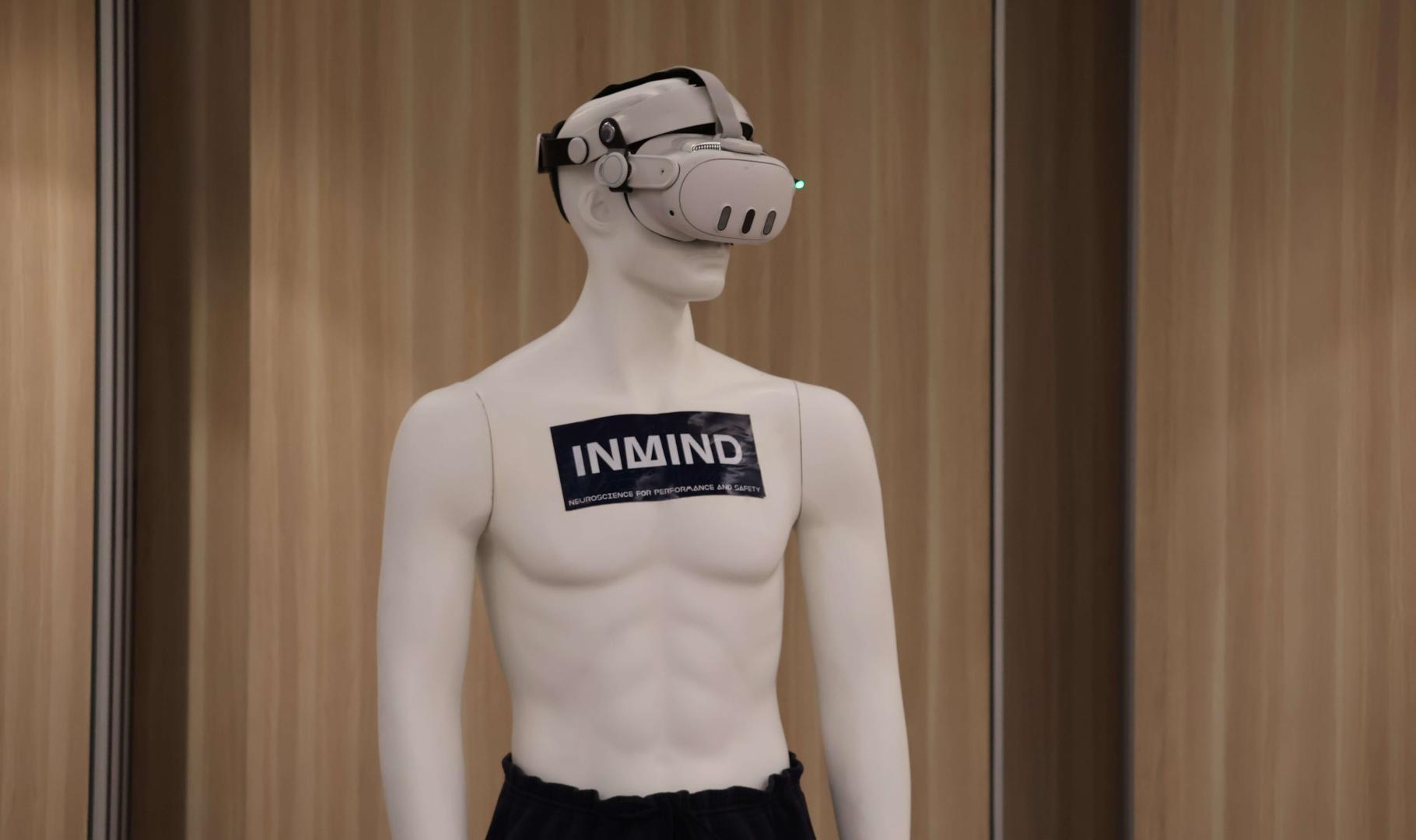
Scientific demonstrators
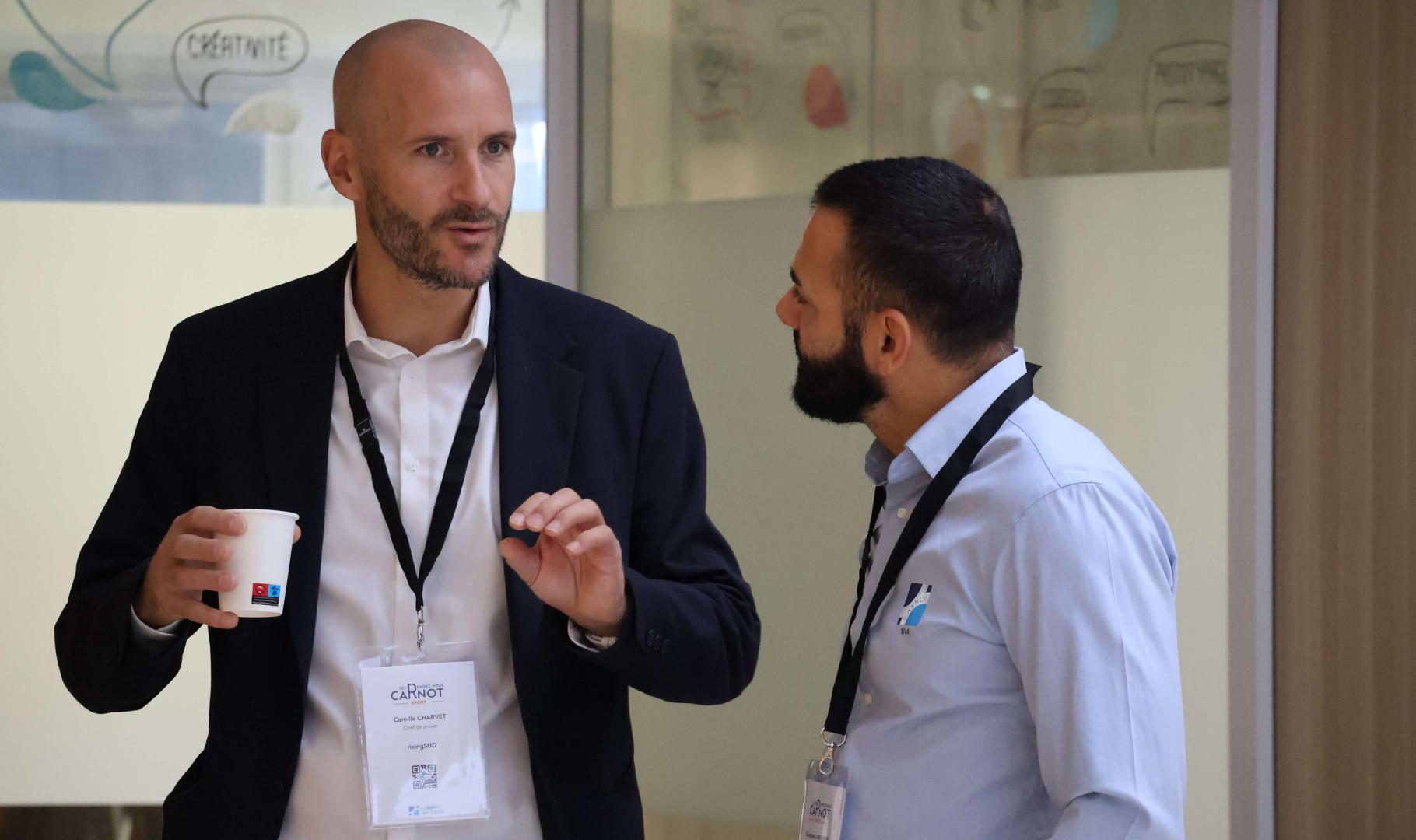
Attendees
Carnot & company stands
A positive assessment
A year of preparation rewarded by the numerous positive feedbacks on the event co-organized by 8 Carnot institutes and supported by Carnot STAR.
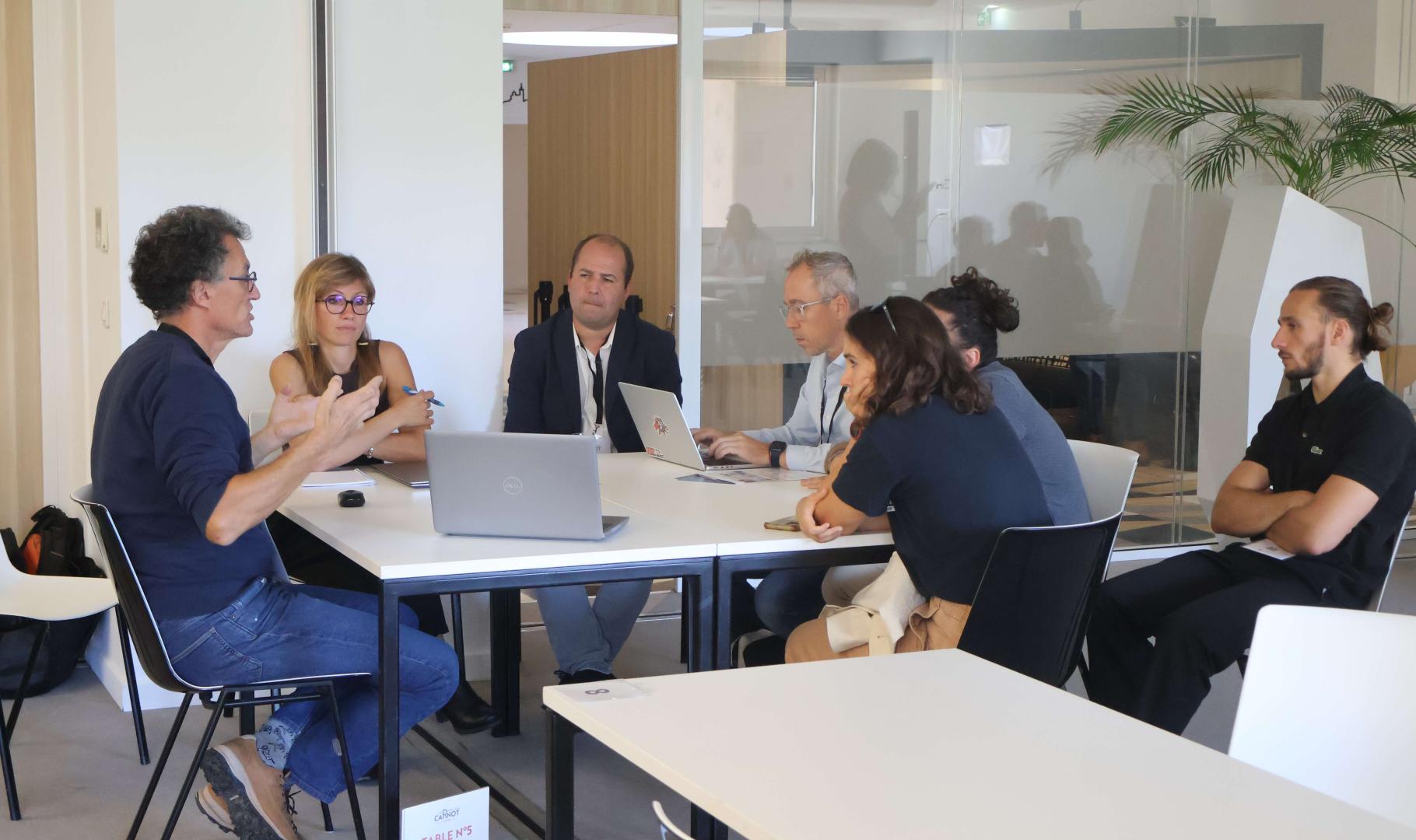
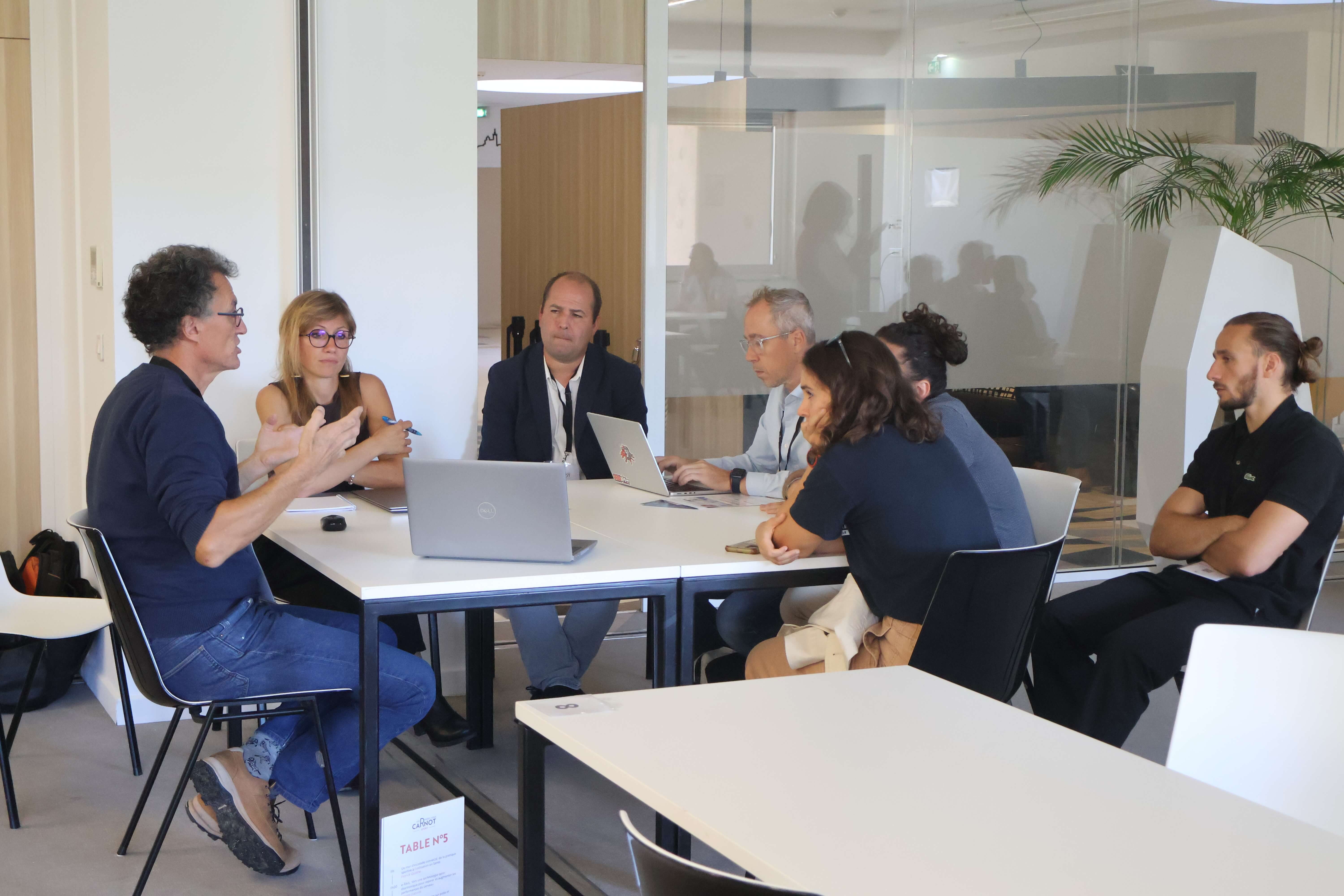
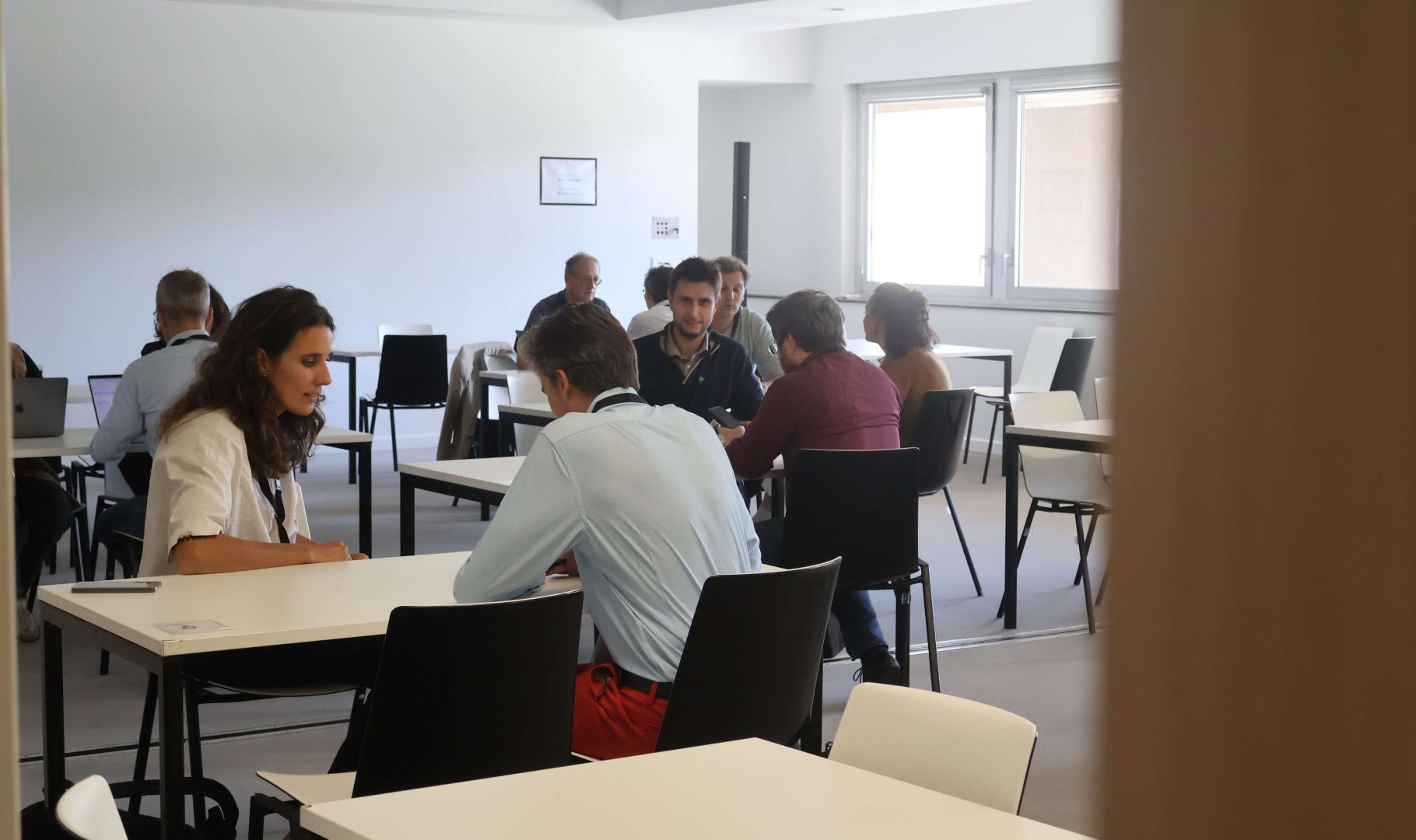
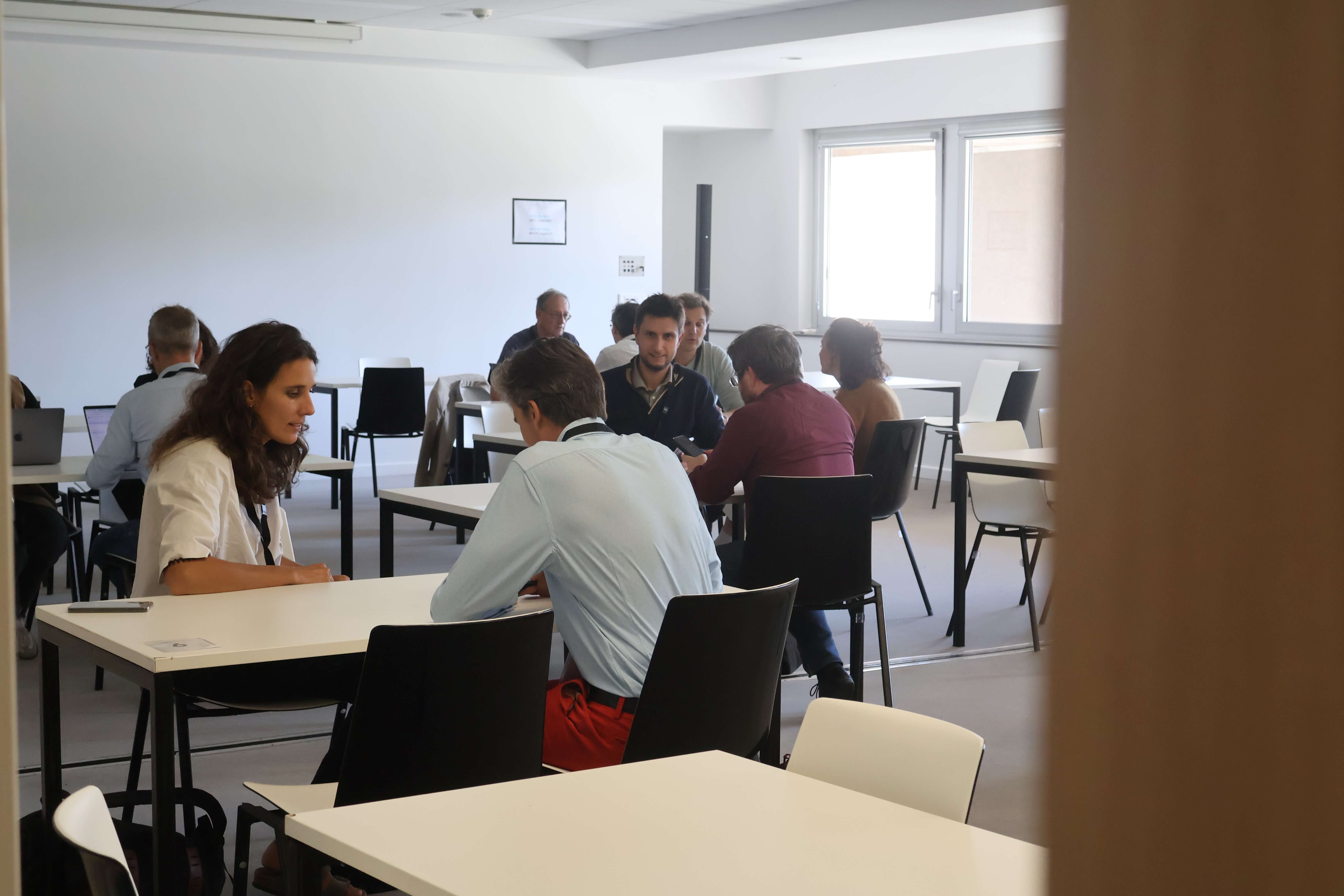
The expertise platforms and the scientific demonstrators area were particularly appreciated for the technical exchanges in small committees that they enabled, on specific subjects. The 70 or so B2B meetings also enabled concrete exchanges on R&D leads between the companies present and our laboratories.
A format inspired by other examples in the Carnot Network!
This day is in line with the Rendez-Vous Carnot, keeping the format of B2B meetings, and has been largely inspired by the operation of Breizh Carnot Tech, which launched the first thematic version around FoodTech and AgriTech 3 years ago.
These events effectively promote the scientific wealth to be found in Carnot-labeled laboratories.
We also note that smaller-scale event formats offer an interesting complement to large B2B trade shows. Being specialized, they guarantee that all participants are confronted with players working on the same themes as them.
A future to be defined
If this year's event was a success, and the spin-offs positive, a bi-annual event would seem to be the best way to give scientific projects time to mature, and to allow new projects to emerge. This will depend in particular on the future of the Carnot scheme, which is currently undergoing changes.